- November 7, 2024
- Posted by: admin
- Category: LWB News
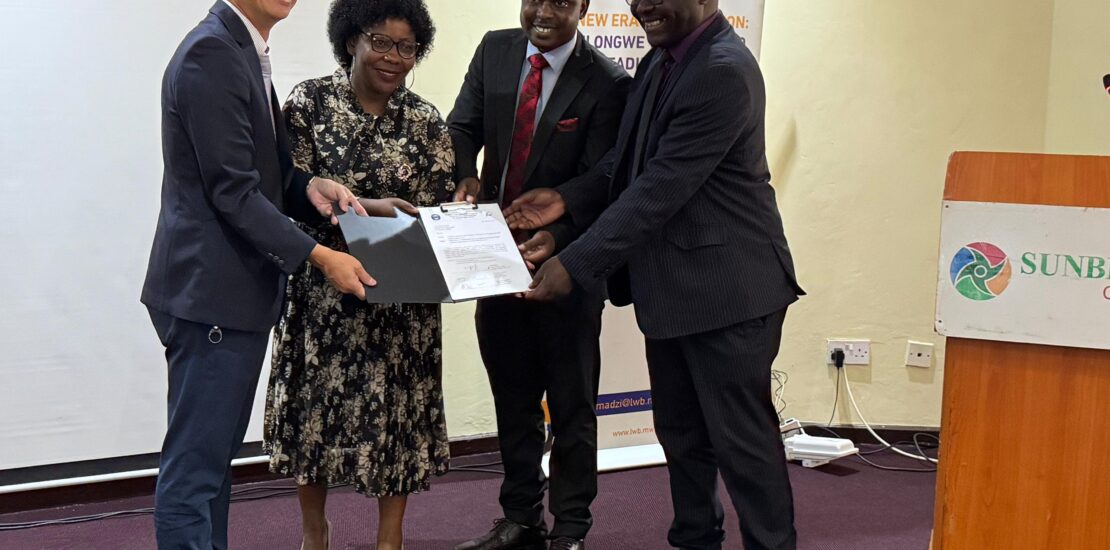
Lilongwe Water Board (LWB) and Japan International Cooperation Agency (JICA) held the final Joint Coordinating Committee (JCC) meeting at Capital Hotel on November 6, 2024, marking significant progress in the Project for Strengthening the Capacity of Non-Revenue Water Reduction for Lilongwe Water Board, dubbed LiSCaP.
Non-Revenue Water (NRW) remains a major challenge for LWB, with an estimated 36.4% of distributed water lost due to leaks, theft, and metering inaccuracies as of September 2024. High pipe leakage rates and illegal connections are primary causes of these losses.
Launched to address these challenges, the LiSCaP project aimed to strengthen LWB’s capacity for NRW reduction management. The project’s overall goal was to systematically implement NRW reduction activities in Lilongwe City.
The chairperson of the human resource and appointments committee (HRAC) for LWB Board of Directors, Counsel Innocent Mphote, thanked JICA for the support which has highly benefited LWB. He appealed for further support and partnership in ensuring the reduction of Non-Revenue Water.
The LisCap project has been focusing on enhancing LWB’s planning capacity for NRW reduction, improving LWB’s implementing capacity for NRW reduction in District Metered Areas (DMAs), and disseminating knowledge and skills on NRW reduction within and outside LWB.
During the meeting, stakeholders analyzed progress and reflected on the project’s far-reaching impact. Deputy Director for Water Supply Services in the Ministry of Water and Sanitation, Phideria Moyo, noted, “The skills acquired will benefit not only LWB but also other water utilities nationwide, with the ministry’s involvement.”
JICA’s Chief Representative, Kazuhiro Tambala, echoed this sentiment, citing notable progress. “LWB staff have acquired knowledge and capacity ensuring sustainability beyond the project’s December 2024 conclusion.”
As LiSCaP enters its final stages, stakeholders are optimistic about the project’s enduring impact. With lessons learned and best practices identified, LWB ensures a brighter water security future for Lilongwe city. The project aims to reduce NRW from 37% to 28% by 2025.